
Understanding uPVC: What Makes It Affordable?
uPVC, or unplasticized polyvinyl chloride, has emerged as a preferred choice for windows and doors in contemporary architecture. The affordability of Upvc murah offerings allows homeowners and builders to opt for high-quality installations without breaking the bank. But what exactly does uPVC bring to the table that makes it not only cost-effective but also highly attractive for various applications? In this article, we’ll explore the essential properties of uPVC, its cost-effectiveness, and how it stacks up against other materials like aluminum and wood.
Defining uPVC and Its Properties
uPVC is a rigid form of PVC that is widely recognized for its stability and durability. Unlike regular PVC, uPVC does not contain plasticizers, making it less flexible but remarkably strong and robust. Here are some of its key properties:
- Durability: uPVC products can last for decades, provided they are well-maintained. They are resistant to rot, corrosion, and various environmental factors.
- Energy Efficiency: uPVC is an excellent insulator. It helps maintain indoor temperatures, thereby reducing heating and cooling costs.
- Low Maintenance: Unlike wood, uPVC does not require frequent painting or sealing, making it a cost-effective choice in the long run.
The Cost-Effectiveness of uPVC Murah
The affordability of uPVC is one of its most significant advantages. Compared to traditional materials like wood and aluminum, uPVC is generally cheaper to produce and install. The low lifecycle costs associated with uPVC, owing to less maintenance and high durability, further enhance its attractiveness.
Additionally, the energy savings gained through better insulation can offset initial costs over time, making it a financially sound option for both residential and commercial projects.
Comparative Analysis with Other Materials
When comparing uPVC with other materials, its cost-effectiveness becomes even more apparent. Here’s how it fares against aluminum and wood:
- uPVC vs. Aluminum: While aluminum is known for its strength and lightweight characteristics, it generally comes at a higher price point. uPVC, on the other hand, offers similar durability while remaining more budget-friendly.
- uPVC vs. Wood: Wood provides aesthetic value but requires regular maintenance to prevent rot and insects. uPVC eliminates these concerns, making it a more sustainable and economical option.
Benefits of Choosing uPVC for Windows and Doors
Understanding the benefits of uPVC windows and doors can greatly enhance your decision-making process. Beyond affordability, the advantages extend to performance and aesthetic versatility.
Energy Efficiency and Insulation
One of the standout features of uPVC is its energy efficiency. The material provides excellent thermal insulation, which can significantly reduce heating and cooling costs. Tests indicate that uPVC windows can lower energy bills by up to 30%, making them an optimal choice for homeowners looking to save on utilities.
Low Maintenance Requirements
uPVC requires minimal maintenance compared to its wooden counterparts, which often need repainting and treatment to maintain their appearance and integrity. A simple wash with soapy water is typically all that is needed to keep uPVC looking fresh and new.
Longevity and Durability Features
uPVC products can withstand harsh weather conditions, including heavy rain, UV exposure, and temperature fluctuations without warping or fading. This durability translates into a longer lifespan, often exceeding that of wood and aluminum, making it a wise investment.
Common Misconceptions About uPVC
Despite its many advantages, some misconceptions about uPVC persist. Addressing these can help homeowners make more informed choices.
Is uPVC Truly Affordable?
While the initial costs of uPVC may be lower than other materials, some believe that the quality suffers in cheaper offerings. However, high-quality uPVC products provide both reliability and longevity, making them economically viable over time.
Understanding Strength and Aesthetics
Another misconception is that uPVC lacks the aesthetic appeal of wood or aluminum. Today's uPVC products come in various colors and finishes, allowing homeowners to choose styles that complement their architecture without sacrificing durability.
Comparing uPVC with Aluminium and Wood
Critics often argue that aluminum and wood offer superior structural strength. However, uPVC has proven to be incredibly resilient in most applications, especially when it comes to windows and doors that require consistent performance against environmental challenges.
Installation Best Practices for uPVC Products
Proper installation is crucial for maximizing the benefits of uPVC windows and doors. Engaging skilled professionals ensures that you receive high-quality work that adheres to industry standards.
Choosing Expert Installers for Quality Assurance
Selecting experienced installers is essential. Look for companies with solid reputations, verified customer testimonials, and a commitment to quality workmanship. This choice will set the foundation for a long-lasting installation.
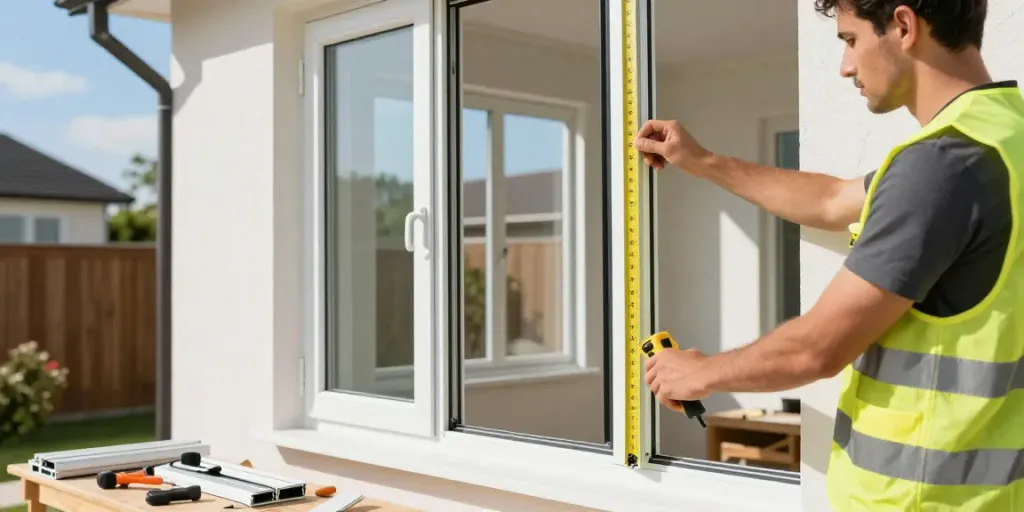
Measurement Techniques for Perfect Fit
Accurate measurements prevent installation issues. Ensure that the professionals conducting measurements are knowledgeable and thorough in their approach, as even minor errors can lead to significant problems during installation.
Common Installation Mistakes to Avoid
Common pitfalls include misalignment of frames and neglecting proper sealing techniques. Both can result in inadequate insulation and potential water ingress. Engaging experienced installers will help mitigate these risks.
Future Trends in uPVC: What to Expect in 2026?
The uPVC industry is poised for significant advancements over the next few years, influenced by technological innovation and shifting consumer preferences.
Innovations in uPVC Technology
Emerging technologies promise to enhance uPVC products further. Innovations may include the development of new formulations that increase strength, improve thermal efficiency, and offer environmentally friendly options. Expect to see smart uPVC solutions integrated with home automation systems for enhanced security and convenience.
Market Predictions for uPVC Products
As sustainability becomes a priority, demand for eco-friendly building materials is expected to rise. The uPVC market is forecasted to grow as consumers increasingly seek affordable and sustainable solutions for construction.
Shifts in Consumer Preferences and Sustainability
With growing environmental awareness, homeowners are choosing materials that align with sustainable practices. uPVC's recyclability and reduced maintenance contribute to its appeal, making it a favorable option moving toward a more sustainable future.
FAQs
What are the environmental impacts of uPVC?
uPVC is generally considered an environmentally friendly option because it is recyclable and has a long life cycle, reducing the need for frequent replacements and, consequently, waste.
How long does uPVC last compared to traditional materials?
uPVC can last up to 25 years or more, significantly outlasting wood and comparable to aluminum when properly maintained.
Can uPVC be recycled?
Yes, uPVC can be recycled into new products, making it a sustainable choice for homeowners looking to minimize their environmental footprint.
What are the installation costs associated with uPVC?
Installation costs can vary based on the complexity of the project and geographic location, but they generally remain lower than that of traditional materials, especially when considering the longevity and minimal maintenance of uPVC.
How does uPVC contribute to energy savings?
uPVC offers exceptional insulation, thereby reducing energy consumption required for heating and cooling, which contributes to lower utility bills over time.